Apprenticeable Occupations in Clean Energy
- Employer
- Trainer & Educator
- Apprenticeships
- Energy Efficiency
- Workforce Development
- Solar Energy
A guide to common apprenticeable occupations for clean energy employers.
For employers in solar energy, energy efficiency, and other clean energy fields, Registered Apprenticeships (RAs) are a proven way to acquire and retain talented employees. Apprentices are paid employees who receive on-the-job training as they perform the requirements of a job and progress in their career education.
To take advantage of this opportunity, employers must identify roles that are defined as “apprenticeable” by the U.S. Department of Labor and/or a state Apprenticeship agency. An “apprenticeable” occupation meets the following criteria:
- It is commonly recognized throughout an industry.
- It is customarily learned through structured and supervised on-the-job training.
- It requires at least one year of on-the-job learning combined with supplemental classroom instruction to become proficient.
Over 1,000 occupations have been recognized by the U.S. Department of Labor as being apprenticeable.
Apprenticeships have typically been utilized in “crafts” or “trades” where extensive hands-on experience is required, but they can be utilized in many other lines of work. Apprenticeships have been growing rapidly in fields such as information technology and manufacturing. Many mid-level and professional roles can also be taught through an apprenticeship.
Clean energy employers can use apprenticeships to develop a skilled and diverse workforce across a range of occupations including those in sales, design, construction, project management, information technology, human resources, customer service, manufacturing, and operations.
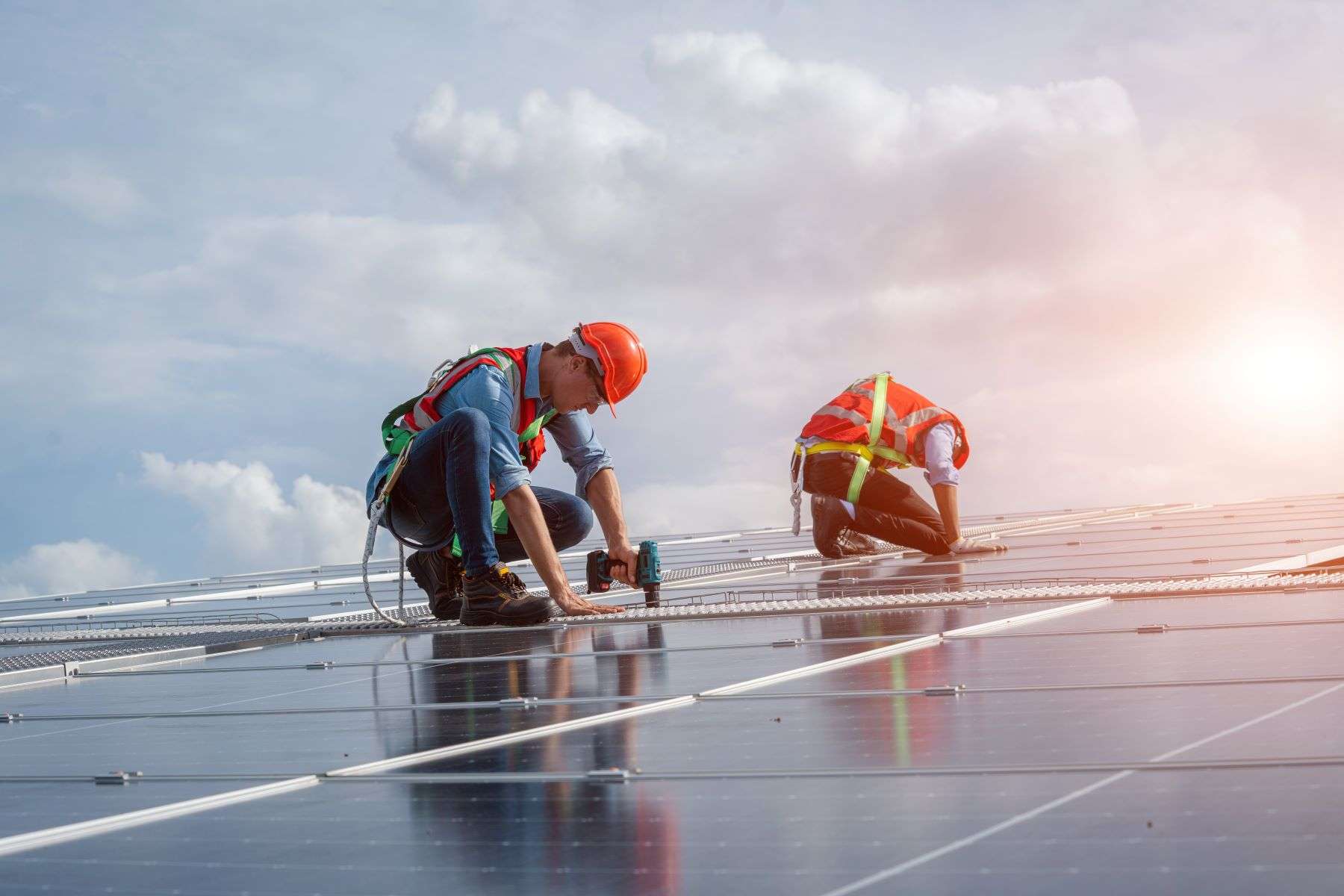
Common Apprenticeable Occupations for Clean Energy Employers
Construction Trades
Energy Efficiency
- Carpenter
- Construction Craft Laborer
- Electrician (Interior)
- Glazier
- HVAC Installer/Technician
- Insulator
- Pipefitter
- Plumber
- Weatherization Technician
Solar-Plus-Storage
- Carpenter (Pile Driver)
- Construction Craft Laborer
- Electrician (Interior)
- Electrician (Lineworker)
- Electrician (Residential)
- Electrician (Substation)
- Iron Worker (Structural)
- Operating Engineer
- Roofer
Wind
- Cement Mason
- Construction Craft Laborer
- Crane Operator
- Electrician (Lineworker)
- Electrician (Substation)
- Iron Worker (Reinforcing)
- Millwright
- Operating Engineer
- Rigger
- Wind Turbine Technician
Non-Construction
- Customer Service Representative
- Cybersecurity Specialist
- Designer Drafter
- Energy Auditor
- Human Resources Specialist
- Maintenance Repairer
- Network and Computer Systems Administrator
- Manufacturing Technician
- Mechanical Engineer
- Mechatronics Technician
- Operations Manager
- Project Manager
- Purchasing Agent
- Software Developers
- Technical Sales Representative
- Recruiter
- Training and Development Specialist
- Transportation Storage and Distribution Manager
- Wind Turbine Technician
… and many more!