Creating Job Postings for Green Energy Careers
- Community-Based Organization
- Employer
- Energy Efficiency
- Recruitment and Outreach
- Weatherization Assistance Program
- Workforce Development
This resource is a guide to writing accurate and compelling postings for jobs in fields like solar energy, home energy performance, and other clean energy and energy efficiency industries.
Job Postings Versus Job Descriptions
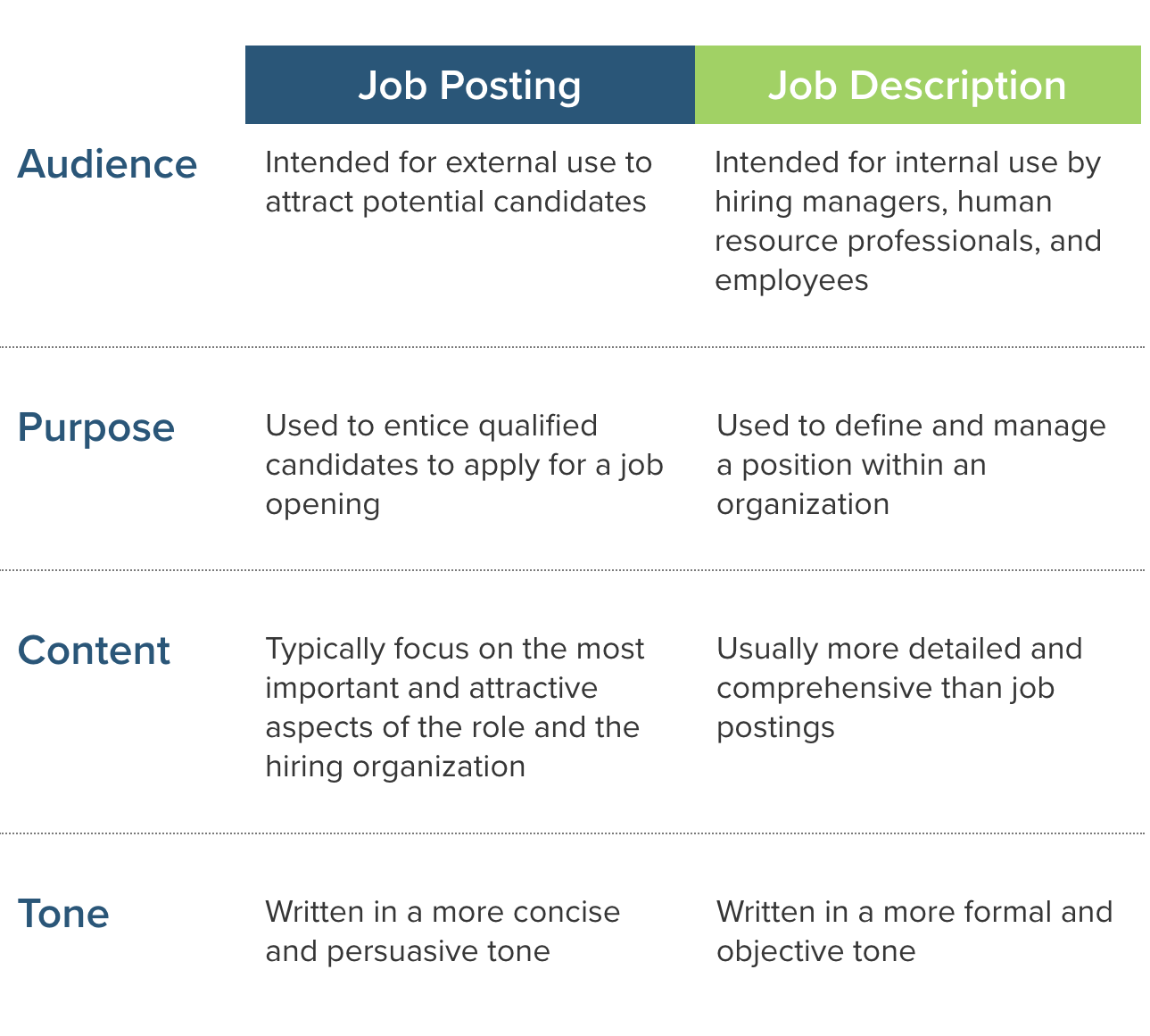
Job postings are not the same as job descriptions. Job descriptions are internal documents that organizations develop for their staff. They are used to help staff clearly understand their roles and responsibilities, and also to evaluate workers for raises and promotions. Visit this page to download job description templates for key weatherization roles.
A job posting, on the other hand, should be a compelling message for people who likely are not familiar with job opportunities in clean energy fields. It is more general, concise, and persuasive. It is used to attract top candidates and focuses on the role's most important and attractive aspects. It is also likely to be the first time a candidate is introduced to your company, so first impressions are important.
You can use the job description as a starting point, but always keep in mind that a job posting should be different from a job description. A compelling job posting will boost your recruitment efforts and help you connect with varied audiences of job seekers. (Learn more about using job boards to get your job posting out into the world.)
General Tips for Job Postings
Word Choice
As you craft the job posting, always be mindful of the words you use. Your language has the power to make people feel welcome and eager, or unwelcome and hesitant to apply. The goal is to make the job sound like an exciting opportunity that’s also accessible to all audiences.
Use First or Second Person
When possible, using “we/our” or “you/your” helps individuals get engaged. This helps candidates understand the impact they will make and the personal and professional growth they can achieve.
Engage the Audience
You can make your job posting more inviting with a conversational and positive voice that allows readers to see themselves in the experience of this job role. This approach is particularly helpful for young candidates. Ask questions such as, “Are you interested in helping your community while also contributing to a clean energy future?”
Keep It Short
Shorter postings can be more effective in the current recruitment market. According to LinkedIn, postings of 300 words or less receive higher application rates than longer postings. Highlight the most essential aspects of your job posting and avoid unnecessary details. Once again, your objective is to make the job description compelling and invite candidates to apply. A simple, straightforward writing style is also helpful. For example, consider leaving out adverbs that can be omitted without affecting the meaning (for example: properly, potentially, primarily, closely, preferable, and creatively).
Understanding the Impact of the Words You Choose
Your job posting may be the first time that many people ever learn about clean energy opportunities, career pathways available, and the work your company or organization does. Consider these tips to ensure that your job posting resonates with a broad audience and doesn't unintentionally deter certain candidates.
Be mindful of how easy your job posting is to read. Avoid complicated language or advanced reading levels that could exclude people without higher levels of education when it is not required for a job.
Avoid using acronyms or industry jargon that may not make sense to people new to the industry. Instead, focus on the skills and traits that are necessary for someone to be successful in the job.
Avoid language that may directly or indirectly indicate to certain candidates that they are not welcome. This includes not referring to the successful candidate as “he” or “she.” Avoid using terms that imply you are looking for someone from a particular background or community. For example, avoid saying “native speaker” to describe a language requirement, when what you are actually looking for is fluency.
Avoid language or policies that could exclude members of certain religious groups, such as prohibiting head coverings or facial hair.
Avoid specific requirements about an individual’s physical strength or ability. (For example, avoid language such as “must be able to lift 50 pounds or fit into a crawl space.”) People new to the industry or workforce may not have a sense of what that means and may exclude themselves unnecessarily. Instead of focusing on an individual, focus on the role. (For example: “Physical exertion including heavy lifting (up to 50+ lbs.), bending, and climbing will be required while utilizing tools and equipment.”) Similarly, you should be clear and honest about the physical nature of field positions, but you don’t need to describe all the nitty-gritty details about, for example, what it is like to spend a summer afternoon working on a rooftop.
Avoid listing requirements that individuals new to the industry may not be familiar with. (For example, solar panel installation, electrical systems, and system design.)
Finally, you may also want to get input on your job posting from people of different demographics to vet whether your language is clear and welcoming, or if there are things you may want to change.
Key Elements of Job Postings
Here are the main elements you will want to address in your job posting.
The title is the first thing a job seeker will see, so you want it to capture the role. However, it is important to note that the job title for a job posting can be different from the title in a job description. For example, many people have difficulty understanding and connecting to technical language or unfamiliar concepts. For example, instead of “weatherization,” consider using terms such as “home energy professional,” “carpenter’s helper,” or “energy specialist” instead. Instead of requiring “solar energy experience,” consider listing “electrical experience” instead.
Look at other jobs advertised in your area to see what might resonate with entry-level job seekers. You can also try out more than one version of a job title to see which gets you the best response.
Once you’ve finished writing a concise, engaging job posting, you’re one step closer to hiring the perfect candidate for the job!
The information on this page is derived from a review of general best practices, as market research conducted in development of the Green Workforce Connect website. Thanks to all contributors to this resource including the National Renewable Energy Laboratory (NREL), National Association for State Community Services Programs (NASCSP), National Community Action Partnership (NCAP), Service Year Alliance, and the Interstate Renewable Energy Council (IREC).